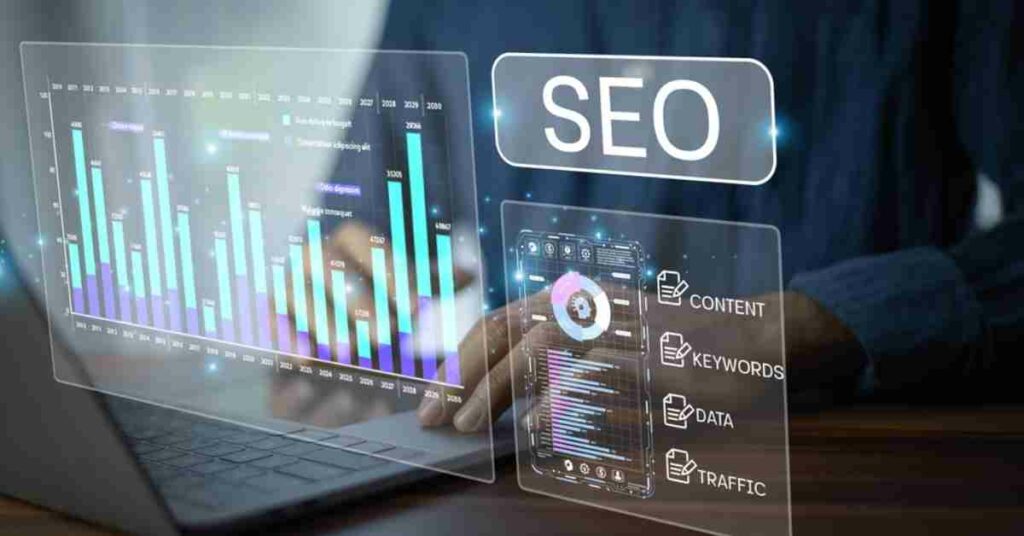
Whether you own a physical store or an online E-Commerce store building a strong customer base requires a powerful marketing strategy. Search Engine Optimization and Pay Per Click are two common approaches. SEO is based on getting organic traffic to your site while PPC offers immediate results through paid advertisements. This article attempts to analyze the pros and cons of SEO for E-Commerce, PPC for business, Google AdWords SEO, and other relevant factors to help you decide which option is ideal for your business. By the end, you will understand how to integrate these strategies for optimal growth. Let’s PCI (prevent click intrusion) and go through the definition of SEO vs PPC.
SEO vs PPC: Understanding the Basics
Both SEO and PPC have become a fundamental part of E-Commerce marketing. Knowing their differences enables one to make the right decision.
SEO for E-Commerce: The Power of Organic Growth
An SEO strategy is a long-term strategy for any business. An E-commerce website is optimized using content, backlinks, and technical work to improve the site’s ranking and drive organic traffic while building brand credibility.
- Sustainable Growth: Unlike PPC, SEO-optimized sites continue to attract visitors without incurring extra costs once the rankings improve.
- Higher Credibility: Users tend to trust E-commerce websites more when the E-commerce website shows on the first page of search results instead of paid ads.
- Cost-Effective: While an SEO strategy requires time and effort, it is far better than spending on PPC ads every month.
- Google Algorithm Compliance: An optimally built E-commerce website is compliant with Google’s guidelines which improve long-term visibility.
PPC for Business: Fast and Targeted Results
PPC is known to immediately get your brand/E-commerce website to the top of Google’s search results. This can be achieved through Google Adwords SEO. With PPC, a business advertisement can be placed on targeted audiences. This helps in achieving quick conversions and increased sales.
- Instant Traffic: PPC ads are ideal, especially for new E-commerce sites, as they are shown immediately.
- Highly Targeted Ads: PPC allows marketers to set specific demographics locations, and even interests.
- Better Conversion Rates: Precise targeting is known to increase conversions.
- Flexibility in Budgeting: PPC pitches can be adjusted according to set budgets and performance.
Pros and Cons of SEO for E-Commerce
Pros of SEO for E-Commerce:
✔ Free organic traffic after optimization.
✔ Builds long-term brand authority.
✔ Higher conversion rates from organic search.
Cons of SEO for E-Commerce:
✖ Takes time to show results (3-6 months).
✖ Requires continuous effort for updates.
✖ Competitive niches need more resources.
Pros and Cons of PPC for Business
Pros of PPC for Business:
✔ Quick traffic and visibility.
✔ Full control over budget and targeting.
✔ Ideal for product launches and promotions.
Cons of PPC for Business:
✖ Costly for competitive keyword targeting.
✖ Ineffective once budget runs out.
✖ Consistent need for monitoring and adjusting strategies.
When to Choose SEO for E-Commerce?
Businesses that aim for sustainable long term growth should consider SEO. If your aim is to establish brand authority lower marketing costs and ensure consistent unique visitors the right route is SEO. Investing in content, keyword research, and technical SEO is a must.
When to Choose PPC for Business?
For immediate traffic and sales, use PPC. It is very effective during off-season promotions, new product launches, and in highly competitive markets. PPC campaigns require ongoing, active monitoring to remain profitable.
SEO and PPC: A Winning Combination
Rather than one or the other, combining SEO and PPC will yield the best results. SEO offers long-term benefits, while PPC provides immediate traffic and conversions to a business. Utilizing both strategies provides the best results, ensuring optimal exposure and high conversions, guaranteeing success in the business for a long time.
- PPC for Short-Term Gains, SEO for Long-Term Growth: PPC ads can be used to bring in visitors to the website, and later build organic rankings while focusing on other business areas.
- Keyword Data Optimization: PPC campaigns offer valuable information about certain keywords that can help in formulating strategies for SEO, making it more effective.
- Brand Awareness and Trust: A strong SEO presence improves trust while branding palace maintains a presence on the market through PPC.
- Remarketing Opportunities: Conversions are improved with PPC through visitors who have already been to the website.
Final Thoughts: Which is the Better Choice?
The factors that need consideration while deciding between PPC and SEO are business objectives budget and timelines. For long term success SEO is ideal for E-Commerce while PPC is better for businesses that need fast results. Having a mix of all strategies will enhance web traffic, sales, and brand reputation. Choosing between the two methods is easier after understanding their strengths, which, when combined, support growth in the competitive E-Commerce market.
There is no right answer to SEO PPC. When it comes to immediate sales you go with PPC and long-term growth, go for SEO. The ideal option is a mixture of the two for an efficient marketing strategy. For eComm it’s more investing in SEO and for business, PPC is the flexible option.